










The Ultimate Rabbit Care Encyclopedia
Discover everything about rabbit care covering all 305+ breeds worldwide. This definitive guide provides comprehensive information on rabbit types, complete care instructions, health concerns, breeding details, and buying advice to help you become an expert rabbit owner.
305+ Breeds
Domestic rabbit varieties worldwide
1-50 lbs
Size range from dwarf to giant
8-12 years
Average lifespan with proper care
4 Categories
By size, fur type, ear type, and purpose
Rabbit Breeds & Varieties
With over 305 domestic rabbit breeds globally (49 ARBA-recognized and 75+ BRC-recognized), rabbits come in an incredible variety of sizes, fur types, and characteristics. Below are the major categories and some popular breeds:
Rabbit Breeds by Size
Rabbits vary dramatically in size from tiny 1-pound dwarfs to massive 50-pound giants. Size affects their care requirements, lifespan, and temperament.
| Category | Weight Range | Characteristics | Best For | Examples |
|---|---|---|---|---|
| Dwarf | 1–3 lbs (0.5–1.4 kg) | Tiny, compact bodies, round faces, energetic but can be skittish | Apartment living, limited space, experienced owners | Netherland Dwarf, Polish, Britannia Petite |
| Small | 3–6 lbs (1.4–2.7 kg) | Compact but slightly larger than dwarfs, often friendly personalities | Families with older children, first-time owners | Dutch, Mini Rex, Lionhead, Jersey Wooly |
| Medium | 6–9 lbs (2.7–4.1 kg) | Balanced size, good mix of manageability and sturdiness | Most family situations, active owners | Rex, Californian, Havana, English Spot |
| Large | 9–12 lbs (4.1–5.4 kg) | Substantial size, generally calm temperaments | Families with space, those wanting a more substantial pet | Flemish Giant, Checkered Giant, French Lop |
| Giant | 12+ lbs (5.4+ kg) | Massive size, gentle giants, require significant space | Experienced owners with ample space | Continental Giant, Blanc de Bouscat |

Netherland Dwarf
Oryctolagus cuniculus domesticusThe smallest rabbit breed with a compact body and short ears. Known for their rounded faces and wide eyes. Despite small size, can be energetic and sometimes skittish.
Key Traits: 1.1–2.5 lbs, multiple color varieties, requires gentle handling
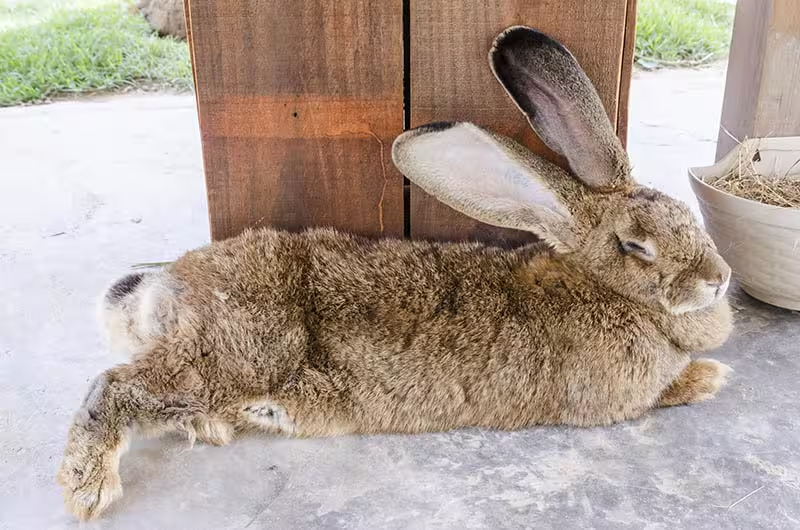
Flemish Giant
Oryctolagus cuniculus domesticusOne of the largest rabbit breeds, known as "gentle giants." Calm temperament makes them excellent pets despite their size. Require significantly more space than smaller breeds.
Key Traits: 15-20+ lbs, docile nature, needs large enclosure
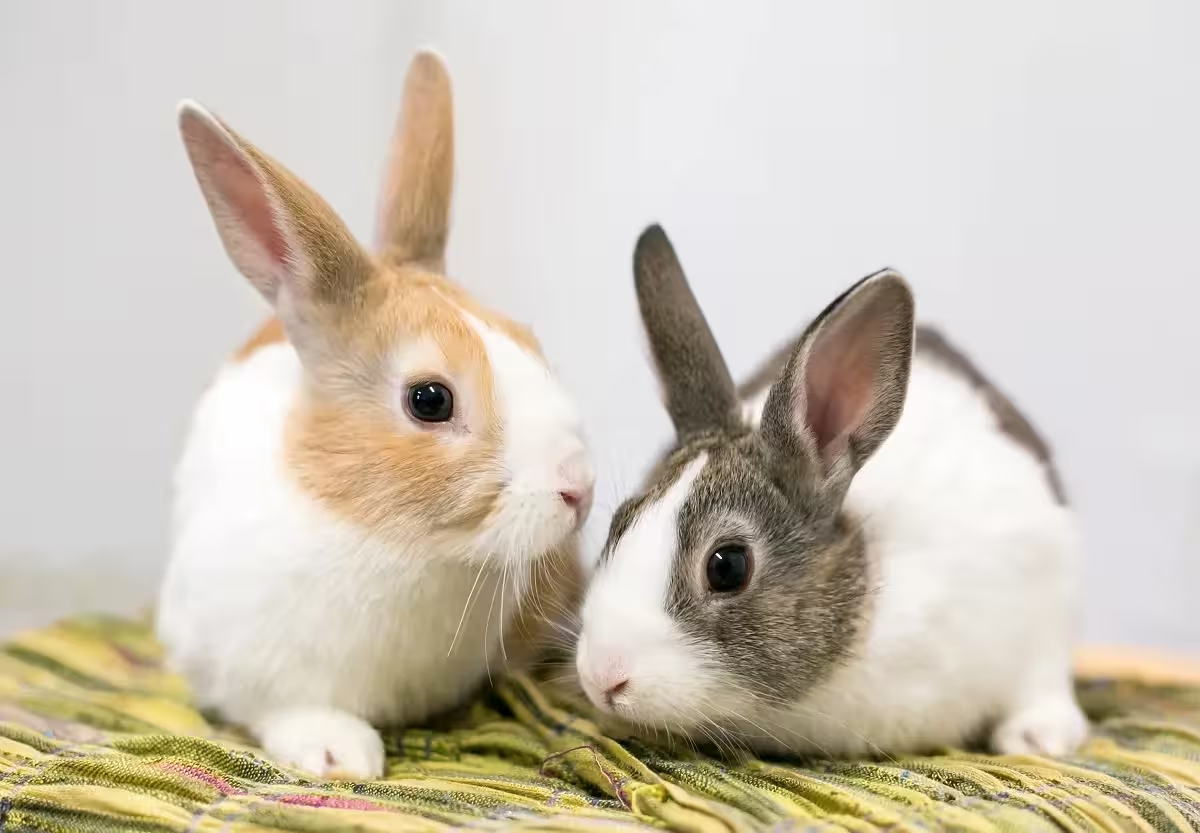
Dutch
Oryctolagus cuniculus domesticusEasily recognized by their distinctive color pattern resembling a tuxedo. Friendly and good-natured, making them excellent pets for families and first-time owners.
Key Traits: 4-5.5 lbs, distinctive markings, gentle temperament
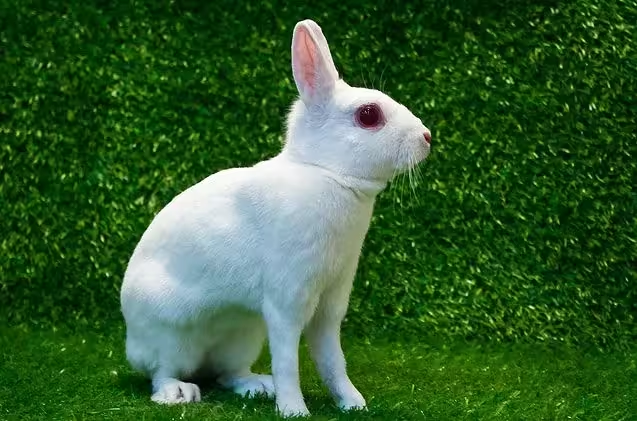
Britannia Petite
Oryctolagus cuniculus domesticusOne of the smallest rabbit breeds with an active, energetic personality. Known for their arched body type and alert expression.
Key Traits: 1.5-2.5 lbs, requires experienced handling, multiple color varieties
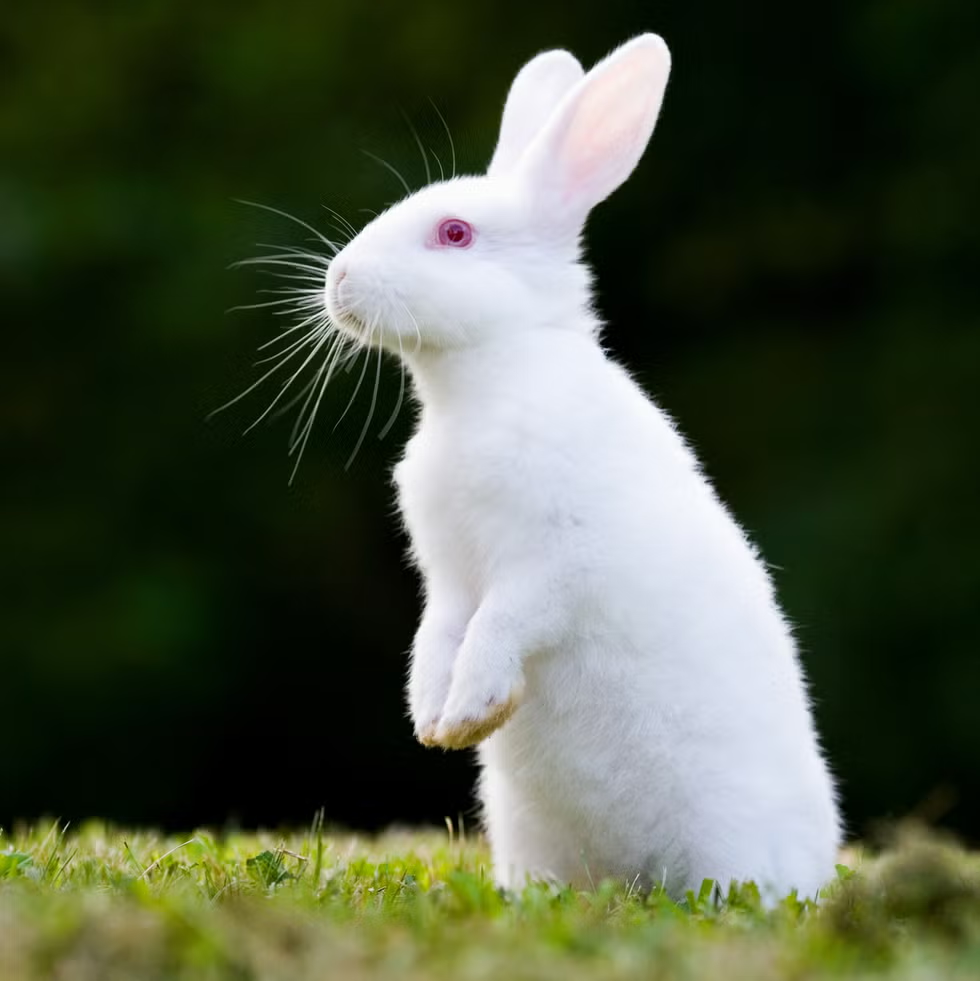
American
Oryctolagus cuniculus domesticusA rare breed known for its calm temperament and distinctive blue or white coloration. Originally developed for both fur and meat.
Key Traits: 10-12 lbs, docile nature, requires regular grooming
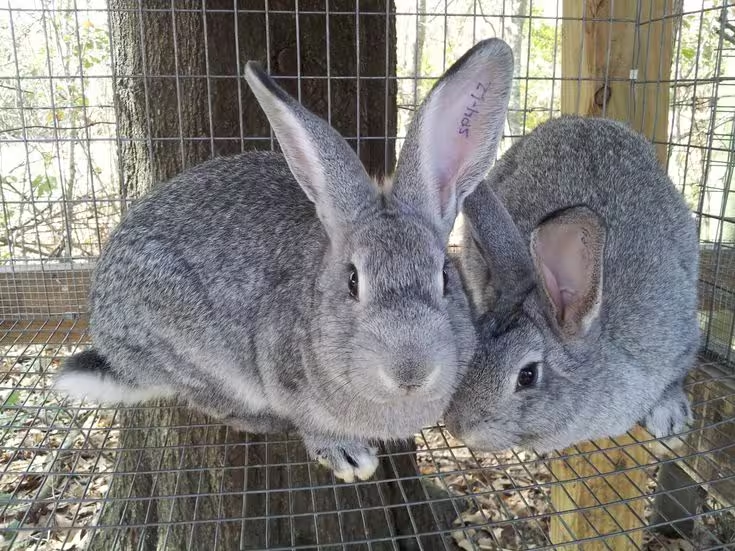
American Chinchilla
Oryctolagus cuniculus domesticusPrized for its beautiful chinchilla-like fur pattern. A dual-purpose breed suitable for both pets and production.
Key Traits: 9-12 lbs, dense soft fur, calm disposition
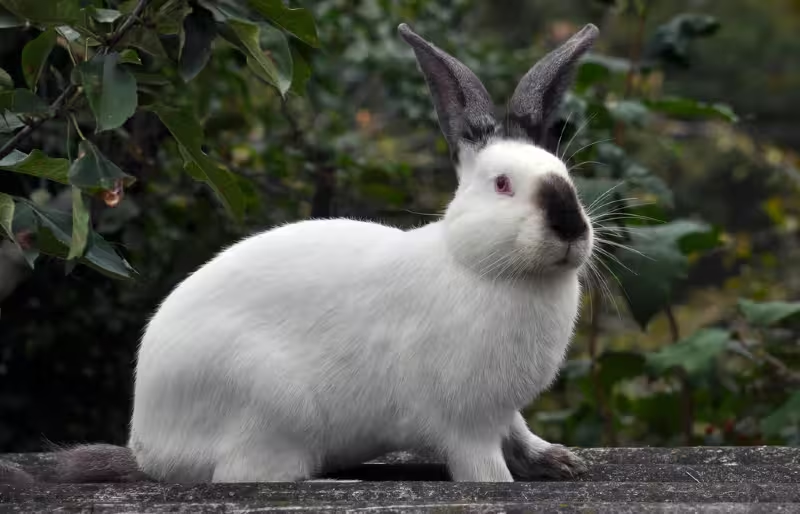
Californian
Oryctolagus cuniculus domesticusRecognizable by their Himalayan markings (dark points on nose, ears, feet and tail). Popular for both shows and meat production.
Key Traits: 8-10.5 lbs, friendly personality, easy to handle
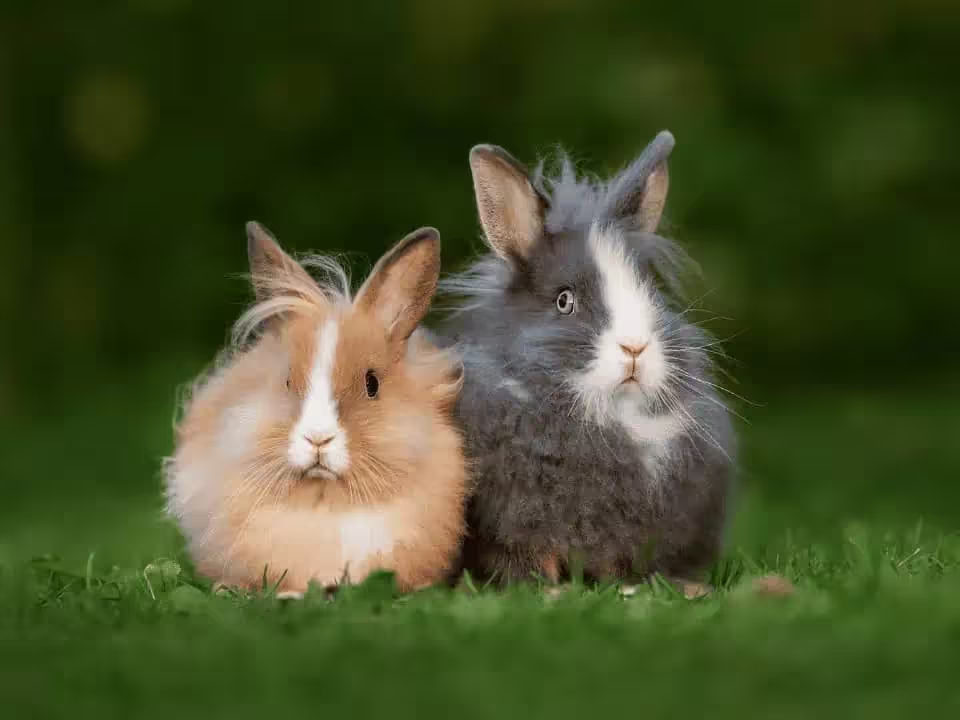
Lionhead
Oryctolagus cuniculus domesticusDistinctive for the mane of wool around their head resembling a lion's mane. Playful and social with moderate grooming needs.
Key Traits: 2.5-3.75 lbs, requires weekly brushing, comes in single or double mane varieties
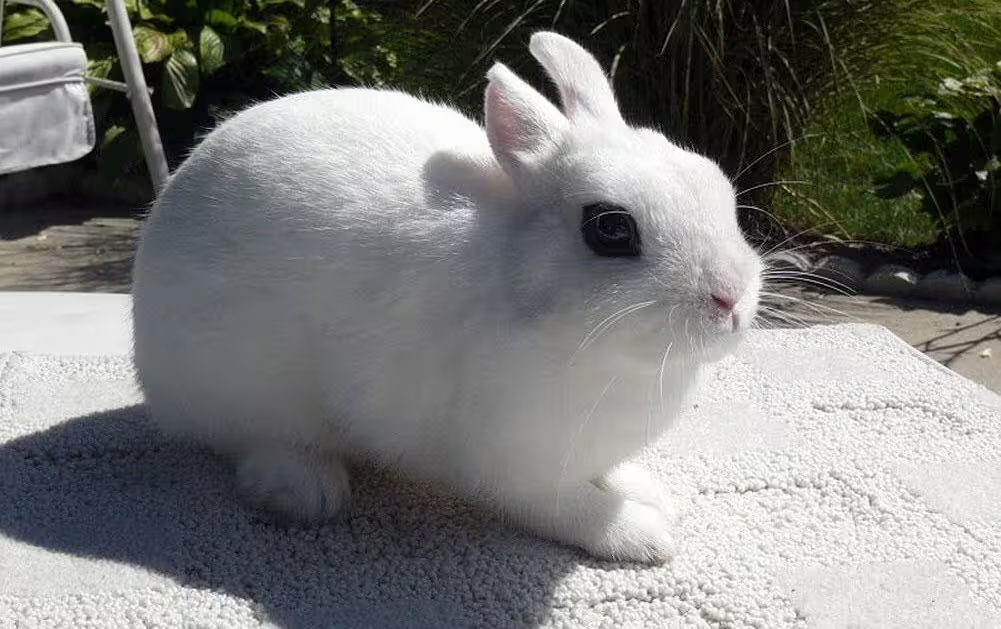
Blanc de Hotot
Oryctolagus cuniculus domesticusStriking white rabbit with black "eyeliner" around the eyes. Originally from France, known for their unique appearance.
Key Traits: 8-11 lbs, requires regular brushing, calm temperament
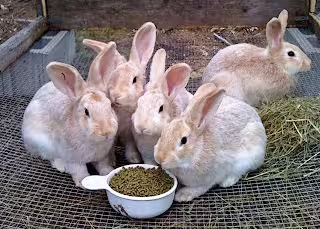
Creme d'Argent
Oryctolagus cuniculus domesticusRare breed with a beautiful creamy-orange coat. Originally developed in France for both fur and meat production.
Key Traits: 8-11 lbs, requires weekly brushing, friendly personality
Rabbit Breeds by Fur Type
Rabbit fur comes in several distinct types, each with unique characteristics and grooming requirements.
| Fur Type | Characteristics | Grooming Needs | Examples |
|---|---|---|---|
| Normal Fur | Short to medium length, smooth coat | Weekly brushing, more during shedding | Dutch, New Zealand, Himalayan |
| Rex (Velvet) | Plush, dense fur with upright hairs | Minimal grooming, occasional brushing | Rex, Mini Rex, Astrex |
| Wool | Long, angora-type wool | Daily grooming to prevent matting | Angora (English, French, Giant), Jersey Wooly |
| Satin | Glossy coat with unique sheen | Weekly brushing to maintain shine | Satin, Mini Satin |
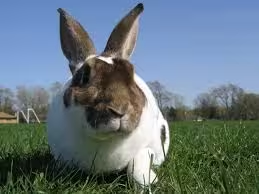
Rex
Oryctolagus cuniculus domesticusKnown for their unique velvet-like fur that stands upright. The Rex has a luxurious coat that's soft to the touch and requires minimal grooming compared to long-haired breeds.
Key Traits: Velvety fur, calm temperament, medium size (7.5-10.5 lbs)

Angora
Oryctolagus cuniculus domesticusFamous for their long, soft wool that requires regular shearing and grooming. Several varieties exist including English, French, and Giant Angoras.
Key Traits: High-maintenance coat, gentle nature, wool production
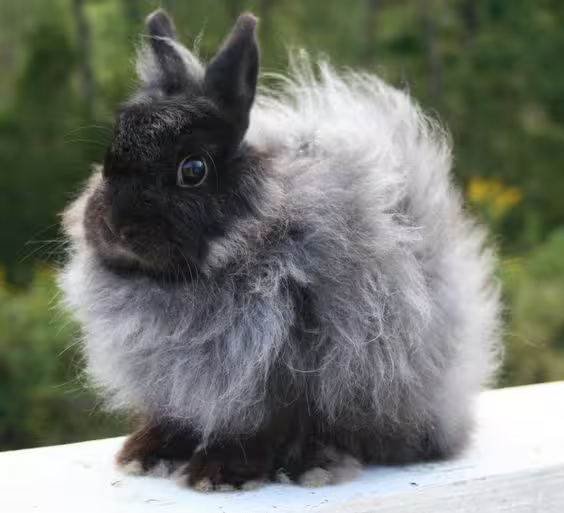
Jersey Wooly
Oryctolagus cuniculus domesticusA dwarf wool breed with a manageable coat that's easier to care for than larger angoras. Sweet temperament and cute "teddy bear" appearance.
Key Traits: 1-3 lbs, wool requires regular but not daily grooming
Rabbit Breeds by Ear Type
Rabbit ears come in different shapes and sizes, which can affect their appearance and even hearing ability.
| Ear Type | Characteristics | Hearing Ability | Examples |
|---|---|---|---|
| Erect Ears | Upright, pointed ears | Excellent directional hearing | Flemish Giant, Dutch, Chinchilla |
| Lop Ears | Drooping ears that hang down | Reduced hearing capacity | Holland Lop, French Lop, English Lop |
| Helicopter Ears | Semi-erect, often one up one down | Moderate hearing | Some mixed breeds |
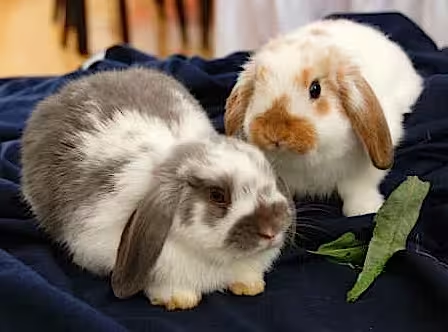
Holland Lop
Oryctolagus cuniculus domesticusOne of the most popular lop-eared breeds with a compact body and sweet expression. Their floppy ears give them an adorable appearance and gentle demeanor.
Key Traits: 2-4 lbs, friendly personality, requires ear cleaning
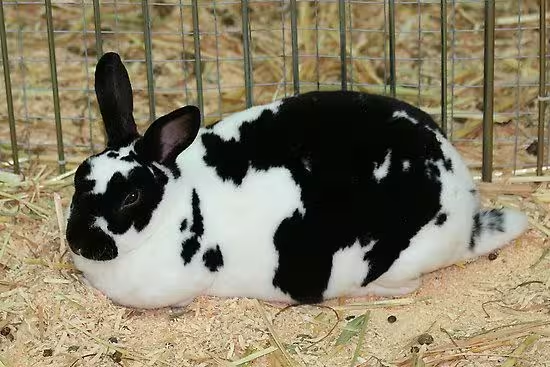
English Lop
Oryctolagus cuniculus domesticusKnown for their extraordinarily long ears that can measure over 21 inches from tip to tip. Gentle giants with a calm disposition despite their dramatic appearance.
Key Traits: 9-12 lbs, requires special ear care, docile nature
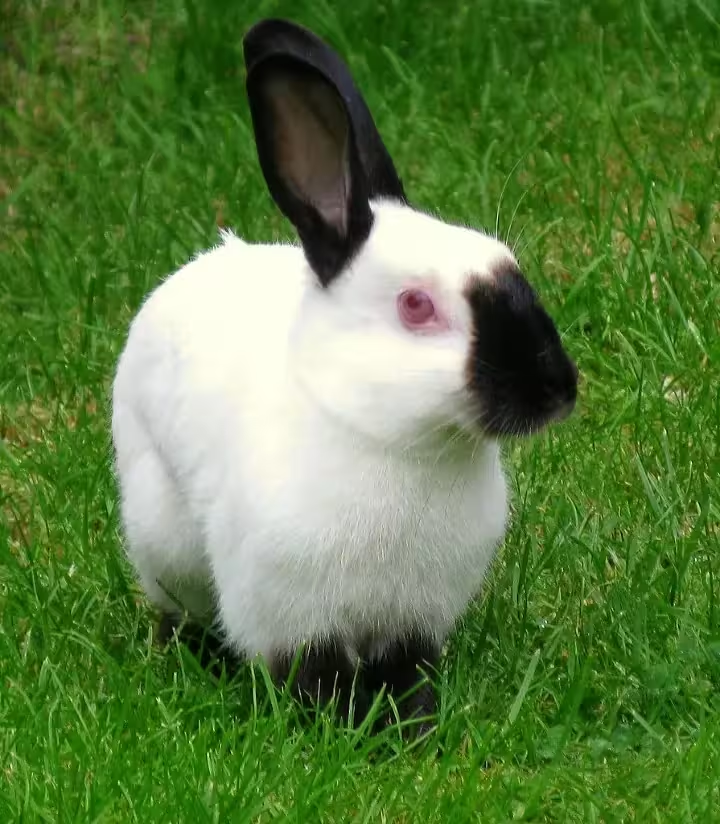
Himalayan
Oryctolagus cuniculus domesticusDistinctive color pattern with dark points (like Siamese cats) and upright ears. One of the most docile breeds, excellent for families with children.
Key Traits: 2.5-4.5 lbs, temperature-sensitive coloring, gentle
Rare & International Rabbit Breeds
These unique breeds showcase the incredible diversity of rabbits around the world, some critically endangered.
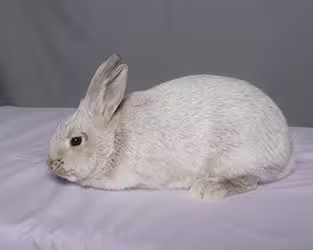
Argente St Hubert
Oryctolagus cuniculus domesticusA rare French breed with beautiful silvered chocolate fur. Originally developed for both fur and meat production, now primarily kept by enthusiasts.
Key Traits: Silvered coat, medium size, rare outside France
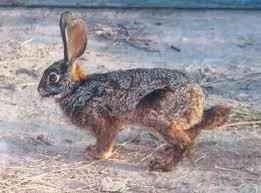
Riverine Rabbit
Bunolagus monticularisCritically endangered wild rabbit species from South Africa. Not domesticated but important for conservation awareness. Distinctive dark stripe under chin.
Key Traits: Wild species, nocturnal, fewer than 250 adults remaining
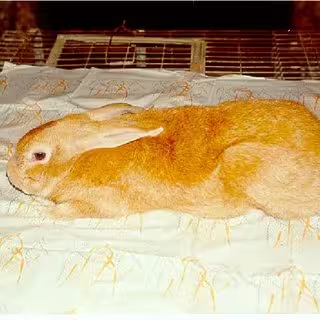
Baladi Red
Oryctolagus cuniculus domesticusEgyptian breed with striking red short-haired coat. Hardy and well-adapted to warm climates. Primarily kept by local breeders in North Africa.
Key Traits: Heat-tolerant, vibrant red coat, medium size
Conservation Note
Several rabbit breeds and wild species are endangered due to habitat loss and declining interest in rare domestic varieties. Consider supporting conservation efforts or keeping rare domestic breeds to help maintain genetic diversity.
Complete Rabbit Care Guide
Rabbit Housing Requirements
Proper housing is essential for your rabbit's health and happiness. Requirements vary by size and breed.
Indoor vs Outdoor Housing
- Indoor housing: Recommended for most pet rabbits. Protects from predators, extreme weather, and allows more interaction.
- Outdoor housing: Only suitable in mild climates with proper predator-proofing. Requires insulated shelter and constant access to water that won't freeze.
- Minimum size: Enclosure should be at least 4 times the rabbit's stretched-out length. For average 5lb rabbit: 12 sq ft enclosure plus daily exercise area.
- Multi-level: Rabbits enjoy having different levels to explore. Add ramps and platforms for climbing.
Enclosure Setup
- Flooring: Solid surface with fleece blankets or grass mats. Avoid wire flooring which can cause sore hocks.
- Litter box: Use large shallow box with rabbit-safe litter (paper-based or aspen shavings). Avoid clay or clumping cat litters.
- Hide house: Essential for security. Provide at least one enclosed hiding space per rabbit.
- Toys: Chew toys, tunnels, cardboard boxes, and digging boxes help prevent boredom.
- Rabbit-proofing: Protect electrical cords and baseboards if allowing free-roaming time.
Pro Tip: Enrichment Ideas
Rotate toys weekly to prevent boredom. Create digging boxes with child-safe sand or shredded paper. Hide treats in cardboard tubes or puzzle feeders. Provide different textures (wood, seagrass, cardboard) for chewing. Set up obstacle courses with tunnels and low jumps for exercise.
Rabbit Nutrition Guide
A proper diet is crucial for rabbit health and longevity. Their digestive systems are highly specialized.
Diet Components
- Unlimited hay: Timothy, orchard grass, or oat hay for adults. Alfalfa only for babies under 7 months. Essential for dental and digestive health.
- Fresh vegetables: 1 packed cup per 2 lbs body weight daily. Include leafy greens (romaine, kale, arugula) and occasional treats like carrot tops or bell peppers.
- Quality pellets: 1/4 cup per 5 lbs body weight daily. Look for high-fiber (18%+), timothy-based pellets for adults.
- Water: Fresh, clean water available at all times in heavy bowl or bottle. Change daily.
Feeding Schedule
- Morning: Fresh hay, small portion of pellets
- Evening: Fresh vegetables, hay refill
- Constant access: Hay and water available 24/7
- Treats: Limit to 1-2 tbsp per 5 lbs body weight daily. Use fruits (apple, banana) or commercial rabbit treats sparingly.
Foods to Avoid
- Toxic foods: Avocado, chocolate, iceberg lettuce, beans, rhubarb
- High sugar/starch: Bread, crackers, cereal, pasta
- Dairy products: Rabbits are lactose intolerant
- Seeds/nuts: Can cause intestinal blockages
- Human snacks: Chips, cookies, candy
GI Stasis Warning
Rabbits must eat constantly to keep their digestive system moving. If your rabbit stops eating for more than 12 hours, seek immediate veterinary care as this can be life-threatening.
Rabbit Health Concerns
Understanding common health issues helps you provide better care and recognize when veterinary attention is needed.
Dental Problems
Symptoms:
- Drooling or wet chin
- Decreased appetite or selective eating
- Weight loss
- Swelling around jaw
- Overgrown front teeth
Prevention/Treatment:
- Unlimited hay wears down teeth naturally
- Annual dental checkups
- Trim overgrown teeth by vet
- May require tooth extraction in severe cases
GI Stasis
Symptoms:
- No fecal pellets or very small/dry pellets
- Lethargy and hunched posture
- Loud gut sounds or complete silence
- Refusing favorite foods
Prevention/Treatment:
- Emergency veterinary care required
- Pain medication and gut motility drugs
- Syringe feeding critical care formula
- Massage and gentle exercise
- Prevent with high-fiber diet and hydration
Vaccination & Prevention
- Vaccinations: Required in some countries for myxomatosis and VHD (RHD). Check local requirements.
- Parasite control: Regular fecal checks for worms. Flea prevention products must be rabbit-safe.
- Spay/neuter: Highly recommended to prevent reproductive cancers (especially in females) and behavioral issues.
- Annual checkups: Include dental exam, weight check, and overall health assessment.
Emergency Situations
- Not eating for 12+ hours
- Difficulty breathing or blue-tinged gums
- Seizures or loss of balance
- Blood in urine or inability to urinate
- Trauma from falls or predator attacks
- Flystrike (maggots on fur, especially near rear)
Rabbit Behavior & Training
Understanding rabbit body language and behavior helps build a strong bond with your pet.
Rabbit Body Language
- Binkying: Jumping and twisting mid-air indicates happiness
- Tooth purring: Gentle tooth grinding when content (different from loud grinding which signals pain)
- Thumping: Warning signal of perceived danger
- Flopping: Dramatically falling onto side shows complete relaxation
- Nudging: Gentle pushes demand attention or pets
- Grunting/growling: Warning to back off
Litter Training
- Start with appropriately sized litter box (large enough to turn around)
- Use rabbit-safe litter with layer of hay on top
- Place box in corner they already use as toilet
- Clean accidents with white vinegar to remove scent
- Reward with treat when they use box correctly
- Spayed/neutered rabbits train more easily
Bonding With Your Rabbit
- Let rabbit approach you first - don't force interaction
- Sit quietly on floor during bonding sessions
- Offer treats from your hand to build trust
- Pet only when rabbit is comfortable - start with head/cheek strokes
- Learn to recognize when rabbit wants space
- Consistency and patience are key
Bonding Multiple Rabbits
Rabbits are social and often do well in pairs. Introduce neutered rabbits on neutral territory. Start with short supervised sessions, gradually increasing time together. Watch for aggressive chasing or biting. The bonding process can take weeks to months. Never house unneutered rabbits together.
Rabbit Grooming Needs
Grooming requirements vary significantly by breed, especially for long-haired varieties.
General Grooming
- Brushing: Short-haired breeds 1-2 times weekly; long-haired daily
- Nail trimming: Every 4-6 weeks using rabbit-specific clippers
- Ear cleaning: Check weekly, clean only if dirty with rabbit-safe solution
- Bathing: Rarely needed - spot clean if necessary. Full baths can be stressful.
- Scent glands: Clean scent glands near genitals monthly if needed
Angora/Wool Breed Care
- Daily brushing: Essential to prevent matting and wool block
- Shearing: Every 3-4 months to keep coat manageable
- Wool block prevention: High fiber diet, regular pineapple (enzyme source)
- Sanitary trims: Keep fur around rear short to prevent soiling
- Summer care: Close clipping helps prevent overheating
Special Area Care
- Eye cleaning: Wipe any discharge with damp cloth (separate area for each eye)
- Foot care: Check for sore hocks, especially in heavy breeds
- Teeth monitoring: Watch for uneven wear or overgrowth
- Skin checks: Look for parasites, dandruff, or unusual lumps
Rabbit Breeding & Lifecycle
Understanding rabbit reproduction is important whether you plan to breed or want to prevent unwanted litters.
Baby (0-3 months)
- Nest with mother until 8 weeks
- Eyes open at 10-12 days
- Begin eating solids at 3 weeks
- Weaning complete by 8 weeks
- Alfalfa hay and pellets for growth
Juvenile (3-6 months)
- Sexual maturity reached
- Important socialization period
- Transition to adult diet begins
- Spay/neuter recommended
- Energetic and playful
Adult (6 months-5 years)
- Prime of life
- Establish adult personality
- Timothy hay and adult pellets
- Regular veterinary checkups
- Maintain healthy weight
Senior (5+ years)
- May develop age-related issues
- More frequent health checks
- Adjust diet if weight changes
- Softer bedding for comfort
- Monitor mobility and appetite
Breeding Basics
- Sexual maturity: Small breeds as early as 3-4 months, large breeds 6-9 months
- Gestation: 28-31 days
- Litter size: 4-12 kits depending on breed
- Weaning: Kits can be weaned at 8 weeks
- Breeding frequency: Does should have no more than 2-3 litters per year
- Genetic considerations: Research hereditary conditions in your breed
Responsible Breeding
Only breed rabbits with excellent temperament and health. Screen for genetic conditions common to the breed. Have homes lined up for all potential offspring before breeding. Consider that rabbit shelters are often overcrowded with unwanted pets.
Rabbit Price Guide & Buying Tips
Rabbit prices vary based on breed, quality, and location. Below are approximate price ranges.
| Breed Type | India Price (₹) | USA Price ($) | UK Price (£) | Australia Price (A$) |
|---|---|---|---|---|
| Mixed Breed/Pet Quality | 800 - 3,000 | 20 - 50 | 15 - 40 | 30 - 80 |
| Common Purebred (Dutch, Mini Rex) | 2,500 - 8,000 | 50 - 150 | 40 - 120 | 80 - 200 |
| Show Quality (ARBA Standard) | 5,000 - 20,000 | 100 - 300 | 80 - 250 | 150 - 400 |
| Rare Breeds (Angora, Flemish Giant) | 8,000 - 30,000 | 150 - 500 | 120 - 400 | 250 - 600 |
| Champion Bloodlines | 15,000 - 50,000+ | 300 - 1,000+ | 250 - 800+ | 500 - 1,200+ |
Choosing a Healthy Rabbit
- Eyes: Bright, clear, no discharge
- Nose: Dry with no sneezing or nasal discharge
- Ears: Clean inside, no mites or crust
- Fur: Clean, smooth, no bald patches
- Bottom: Clean with no stool stuck to fur
- Movement: Alert, hops normally without limping
- Behavior: Curious but may be shy at first
Where to Buy
- Reputable breeders: Best for specific breeds, can see parents and conditions
- Rabbit shows: Opportunity to meet breeders and see adults of the breed
- Rescues/shelters: Often have purebred rabbits needing homes
- Pet stores: Generally not recommended due to unknown origins and health
- Online classifieds: Research carefully to avoid backyard breeders
Adoption Option
Consider adopting from a rabbit rescue. Many purebred rabbits end up in shelters when owners underestimate their care needs. Adoption fees typically include spay/neuter and initial vaccinations.
Browse Available RabbitsWhy Choose a Rabbit as a Pet?
Rabbits make wonderful companions for the right owners. Here's what makes them special:
Adaptable
Can live indoors or outdoors (with proper housing)
Affectionate
Form strong bonds with their owners
Intelligent
Can learn tricks and use litter boxes
Long-lived
8-12 year lifespan with proper care
Rabbits are quiet pets that don't disturb neighbors, making them perfect for apartments and condos. Their compact size (especially dwarf breeds) means they don't need much space, though they still require daily exercise outside their enclosure. With proper litter training, they can be nearly as clean as cats.
Rabbits can teach children about responsibility and gentle handling. They're typically less demanding than dogs but more interactive than hamsters or fish. Children 8+ can help with feeding and grooming under supervision. Rabbits help kids learn to read animal body language and respect living creatures.
Each rabbit has distinct personality traits - some are bold and playful while others are shy and reserved. Many develop amusing habits like rearranging their toys or "redecorating" their space. Watching a happy rabbit binky (jump and twist in the air) is one of the most joyful experiences a pet owner can have.
Ready to Welcome a Rabbit Into Your Home?
Explore our selection of healthy, well-socialized rabbits from top breeders. Each rabbit comes with health guarantees and care instructions to get you started.
Download This Complete Care Guide
Get this comprehensive rabbit encyclopedia in PDF format for offline reference or printing